
Evolving Open 5G and 5G-Advanced Towards 6G
An open evolution platform for integrating, experimenting, accelerating, automating, and validating emerging 6G technologies on today's open 5G and 5G-Advanced foundation.
Why Open6GE exists
Open source has come a long way in 5G. There are solid projects for the radio network, the core, orchestration, simulation and cloud infrastructure, and each one does its job well.
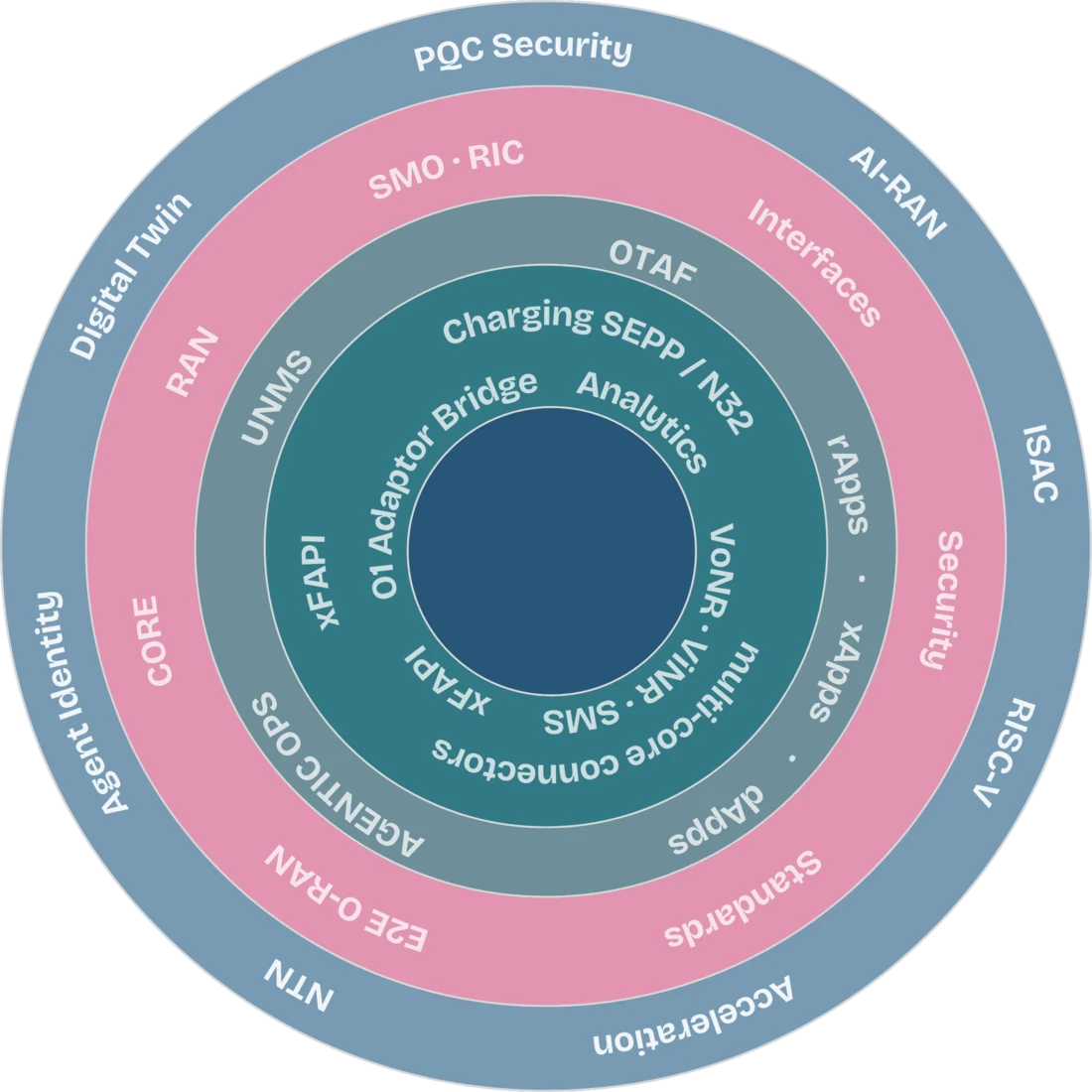
What is missing is the network they add up to. Open6GE puts those projects together into one stack you can deploy, extend and test end to end, instead of a set of parts that only work on their own.
On top of that base, TOSSI is building the technologies 6G will need: AI-RAN, sensing and communication (ISAC), non-terrestrial networks (NTN), digital twins, accelerated computing, post-quantum security and intelligent automation. The hard part was never the components. It is making them work as one network.
What Open6GE brings together
Open6GE brings together the tools, testbeds and technologies developed across the TOSSI ecosystem. From AI-RAN and NTN to ISAC, security, interoperability and certification, each capability addresses a different part of the transition towards intelligent, open and programmable 6G networks.
 Open6GE
Ten areas of work
 AI RAN
Machine learning inside the RAN for scheduling, link adaptation and channel prediction.
Read more
AI RAN
Machine learning inside the RAN for scheduling, link adaptation and channel prediction.
Read more
 Open NTN Testbed
Release 17 NTN timing exercised end to end over software-modelled GEO and LEO satellite links.
Read more
Open NTN Testbed
Release 17 NTN timing exercised end to end over software-modelled GEO and LEO satellite links.
Read more
 Open ISAC Testbed
Using the radio to detect, locate and interpret the environment while it carries traffic.
Read more
Open ISAC Testbed
Using the radio to detect, locate and interpret the environment while it carries traffic.
Read more
 Post-Quantum Security
Post-quantum cryptography and crypto-agile architecture for long-lived infrastructure.
Read more
Post-Quantum Security
Post-quantum cryptography and crypto-agile architecture for long-lived infrastructure.
Read more
 Digital Twins
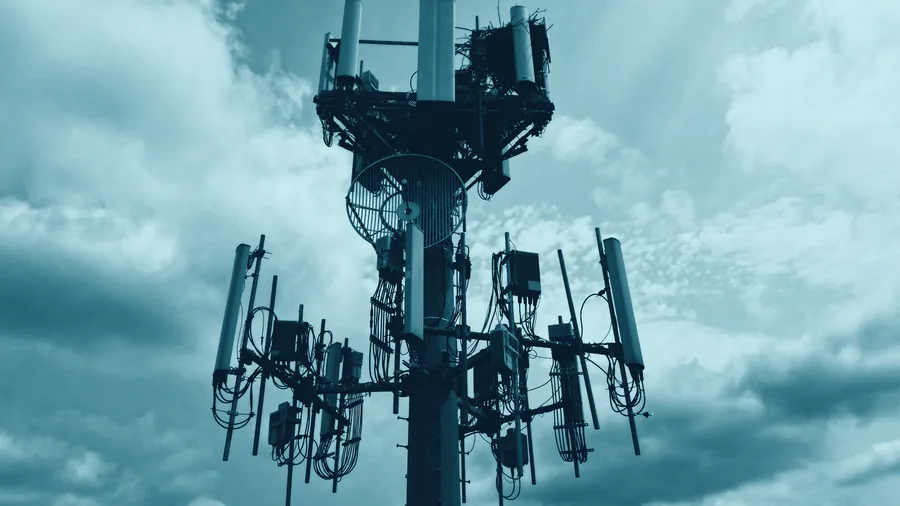
A platform for 3D simulations of the whole stack, integrating Sionna RT, NTN and AI-RAN data collection.
Read more
Digital Twins
A platform for 3D simulations of the whole stack, integrating Sionna RT, NTN and AI-RAN data collection.
Read more
 CNTC
Conformance, network testing and certification: requirements become automated tests, evidence and a verdict.
Read more
CNTC
Conformance, network testing and certification: requirements become automated tests, evidence and a verdict.
Read more
 Automation
OTAF: service orchestration, policy management, Non-RT and Near-RT RIC, and SMO services over A1, O1, O2 and E2.
Read more
Automation
OTAF: service orchestration, policy management, Non-RT and Near-RT RIC, and SMO services over A1, O1, O2 and E2.
Read more
 RAN and Core Integration
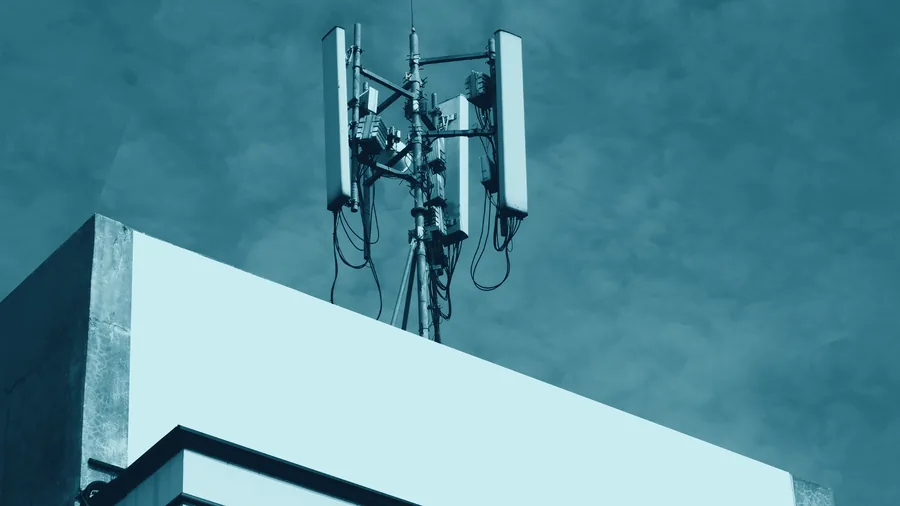
SETU joins SD-Core to a stock Kamailio IMS, verified on commercial handsets over 5G SA.
Read more
RAN and Core Integration
SETU joins SD-Core to a stock Kamailio IMS, verified on commercial handsets over 5G SA.
Read more
 Identity for AI Agents
AI agents for network operations, with identity and trust for the actions they take.
Read more
Identity for AI Agents
AI agents for network operations, with identity and trust for the actions they take.
Read more
 Open RISC-V
RISC-V as an open, customizable computing foundation for RAN, core and edge networks.
Read more
Open RISC-V
RISC-V as an open, customizable computing foundation for RAN, core and edge networks.
Read more
How the stack is layered
Four layers, each building on the one below. Upstream projects supply the components; the integration layer makes them interoperate; that foundation carries the 6G technologies; and the technologies enable the use cases.
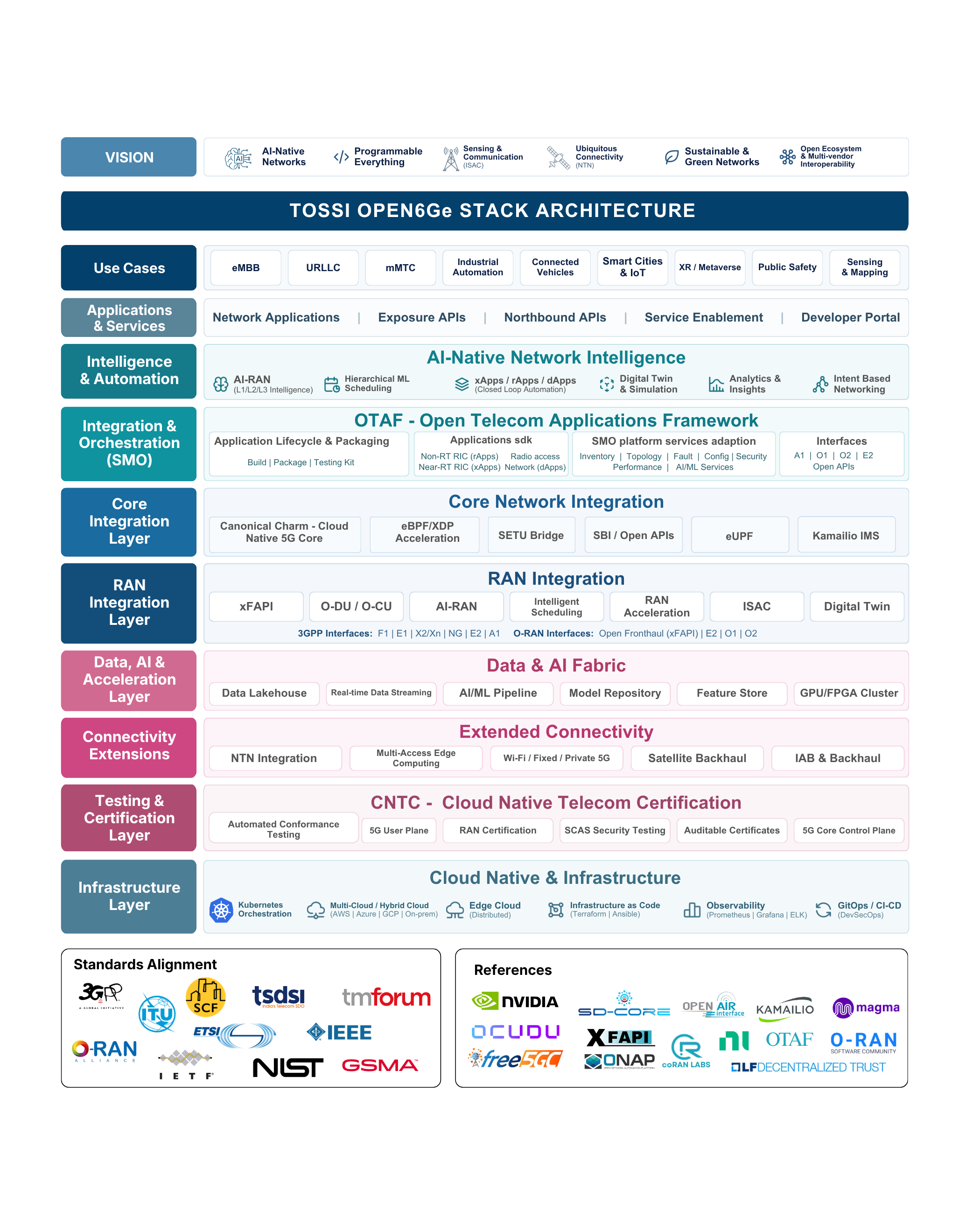
Openness and upstream work
Open foundation
Open6GE is not intended to become another closed telecom stack. It is built on open-source projects, open interfaces, and established industry standards. It provides a modular foundation that enables the community to integrate existing technologies, develop new capabilities, and contribute improvements back to the broader open-source ecosystem.
Upstream contributions
Contributions and enhancements are developed in alignment with upstream projects and the wider open-source community, rather than diverging from them.
An environment where the community can
- Reuse existing open-source projects
- Integrate technologies from different ecosystems
- Experiment with emerging 6G capabilities
- Build new components
- Validate interoperability
- Contribute improvements upstream
- Create reproducible test environments
What exists today, and what comes next
Significant work remains before 6G becomes a commercial reality, and the specifications are not final. The environment needed to explore these technologies can be built before then, starting from what already works.
Available today
- Open 5G
- 5G-Advanced
- Open RAN
- Cloud-native Core
- RIC and SMO
Added progressively
- AI-RAN
- ISAC
- NTN
- Post-Quantum Security
- Digital Twins
- Agentic AI
- RISC-V
- Accelerated Computing
- Automated Certification
Not yet settled
- Standards
- Radio technologies
- AI architectures
- Spectrum
- Satellite integration
- Security models
- Compute platforms